
Seoul, Korea
The Hanok Is the Destination
Restored hanok retreats in Seoul's palace quarter.
A house, a courtyard, and the quiet between them
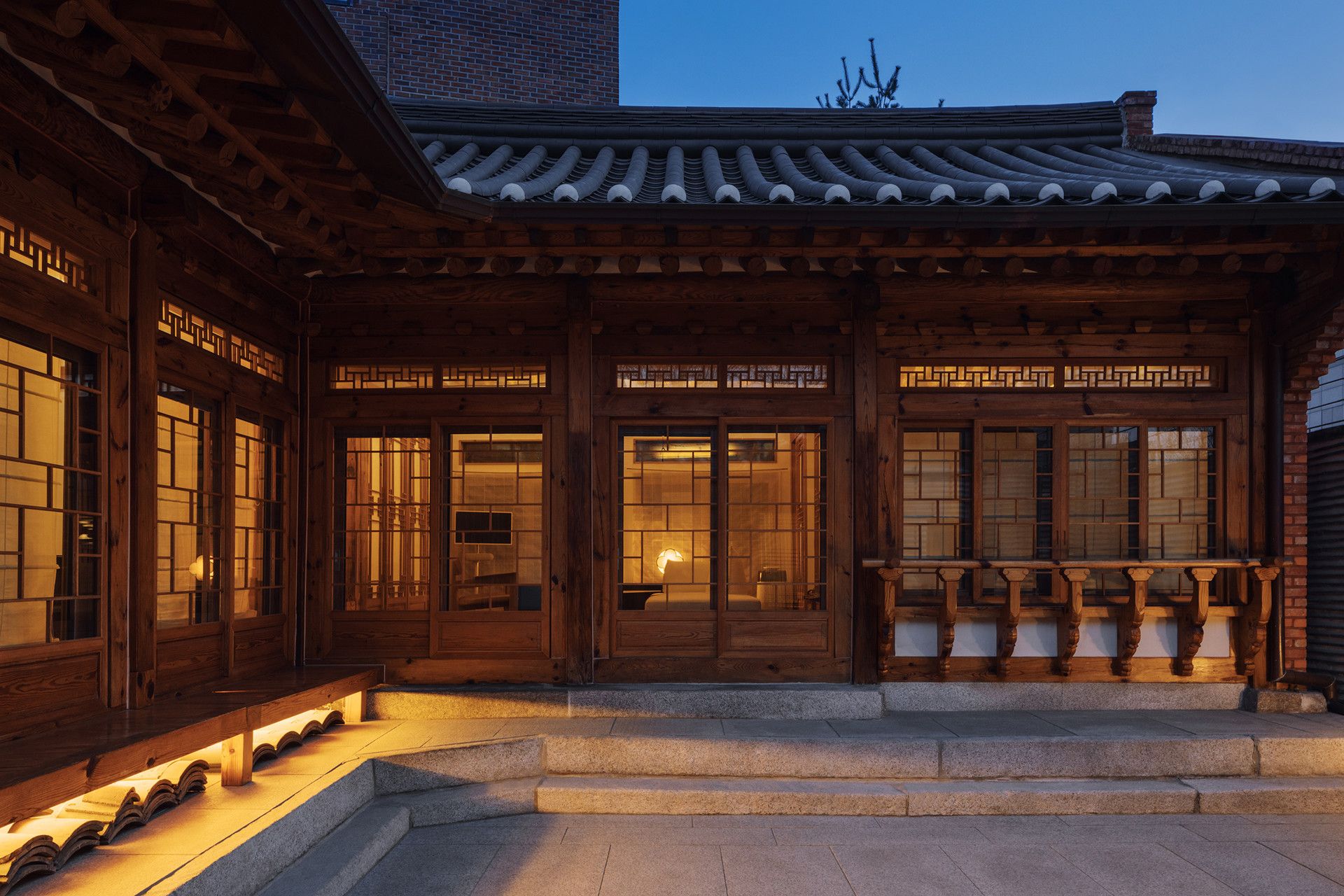
In the old neighborhoods surrounding Gyeongbokgung Palace, THE CHAE is a collection of restored hanok, each reserved for a single party. Behind every wooden gate lies a courtyard open to the sky, a house of timber and paper, and a stillness rarely found in the heart of Seoul.
Each house was shaped with a Korean architect, craftsman, or studio, and each is defined by a single gesture: a stone yard at the heart of the house, a wall of books, an attic beneath moonlit rafters, a meditation room facing a garden of maples.
chae / cheh / A single house within a traditional Korean compound, as in sarangchae, the guest house.
Accommodation
The Houses
Rituals
Rest, in the Korean manner
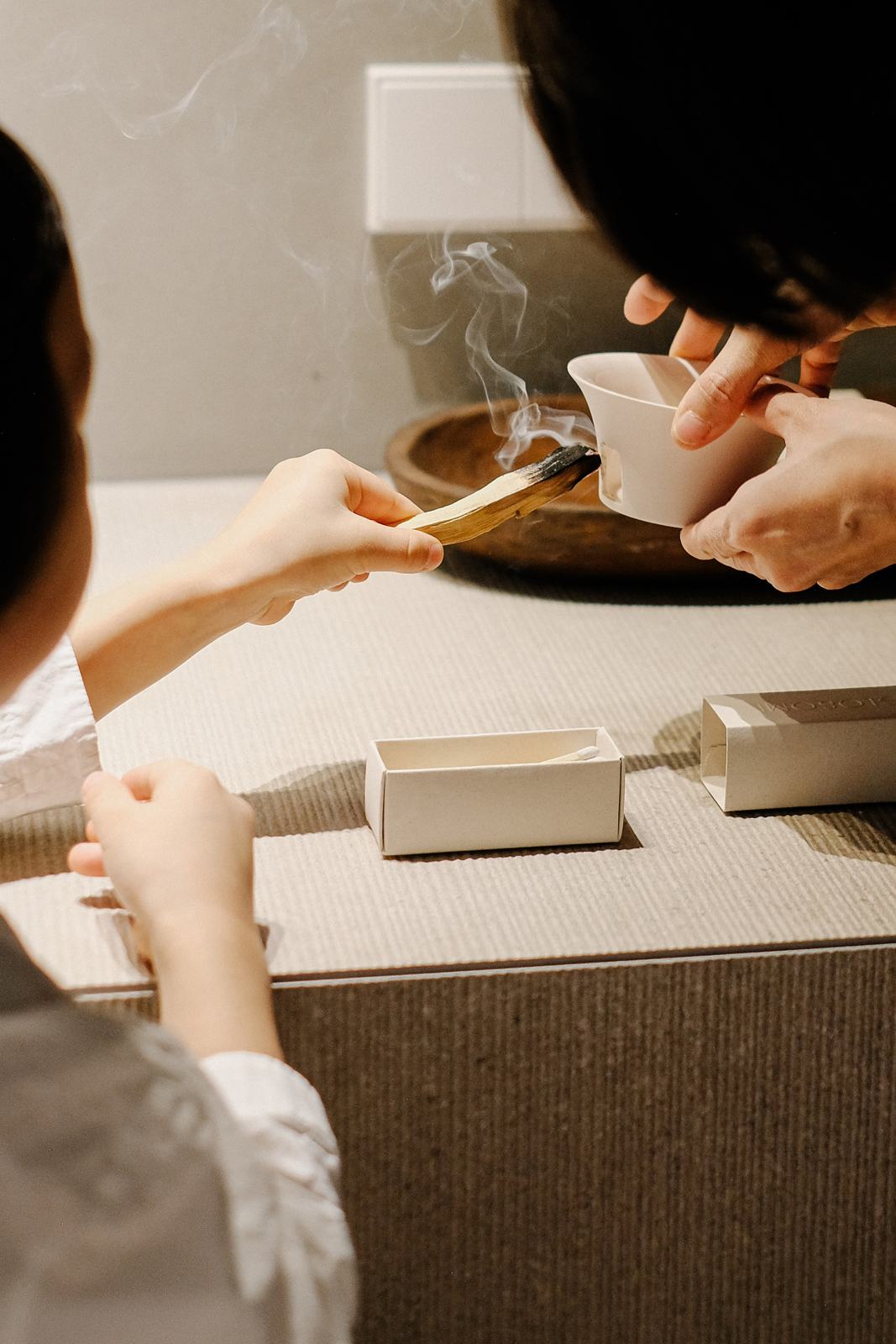
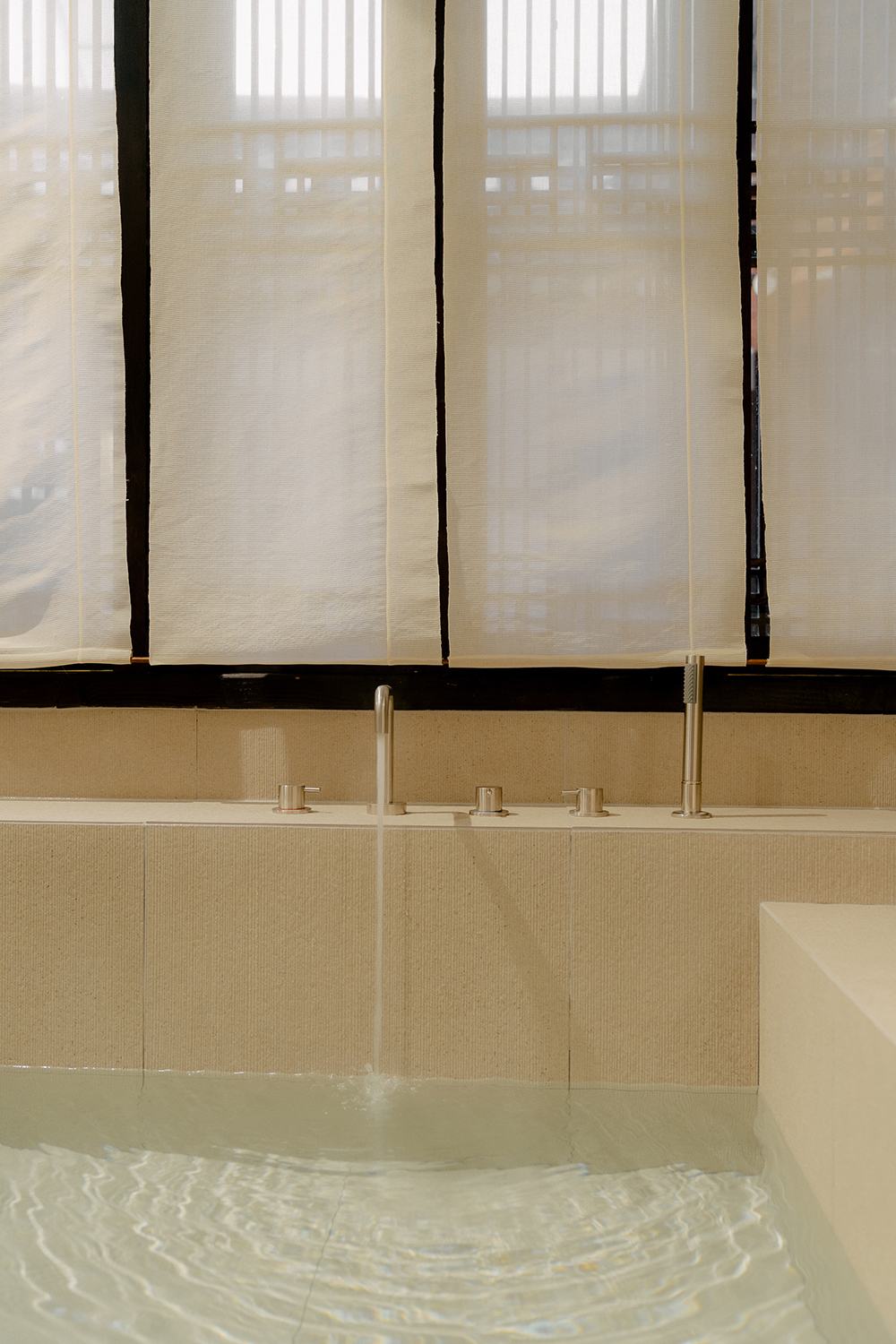
Across the houses, small rituals are waiting: a Korean herbal bath, seasonal flower tea, a guided meditation in a paper-lit room, a journal at Dalro and Uhui to slow your thinking down.
Nothing is scheduled and nothing is mandatory. The tools are simply there, the way they would be in a well-kept home.
“Where concrete and elevators give way to sky and courtyard: a place in the city that is entirely your own.”

Destination
Around the Palace
Seochon
West of the palace. Artists' studios, small galleries, and the alleys where the poet Yun Dong-ju once lived.
Bukchon
East of the palace. The classic hanok village: lanes of tiled roofs climbing toward Samcheong-dong, with tea houses and museums close by.
Plan your stay
Living in a hanok
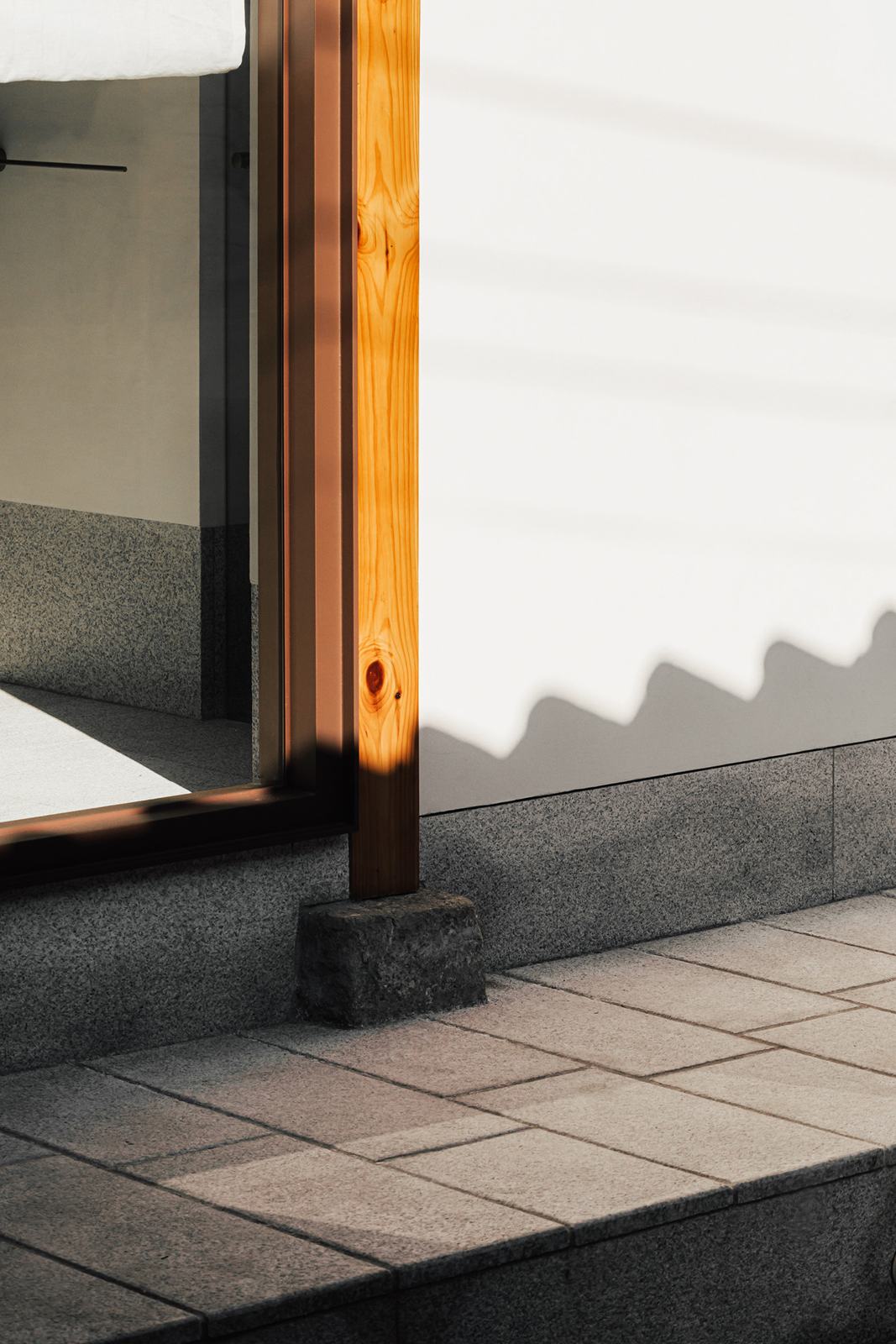
A hanok is a house of wood, earth, stone, and paper. It breathes. Floors are warmed from below by ondol heating, you take your shoes off at the step, and the wind and rain become part of the evening.
A few notes on heating, arrival, and the customs of the house.
Accommodation
The Houses
Each house is reserved for one party at a time, with its own gate, courtyard, and kitchen.
Rituals
Rest, in the Korean manner
Philosophy
THE CHAE began with a simple belief: that a house can restore you. Our homes are built around the things a hanok does best: light through paper, warm floors, an open courtyard, and quiet.
We add only what helps you rest, and we try to take away everything else, including waste.
01 · Heritage
Live in the craft
Hand-planed timber, paper floors finished in soybean oil, furniture joined without nails. You don't visit Korean heritage here. You sleep in it.
02 · Mindfulness
Room to think
A meditation room at Haudo and the pungnyu lounge at Uhui, each made for stillness, with singing bowls and guided journals.
03 · Nature
Sky and soil
Courtyards, maple gardens, open-air baths, and herbal soaks made from naturally dried plants, with no synthetic additives.
04 · Zero waste
Stay lightly
No disposable toothbrushes, plant-based bath blends, tableware by Korean ceramicists, and Seoul's three-way waste sorting in every kitchen.
In-house rituals
Across the houses
Herbal bath
At Haudo, a blend of dried plants steeped in a hemp pouch. At Uhui, Dalro, and Sorereu, our own bath salts. Bath offerings may change with the season.
Garden meditation
A guided practice for breath and stillness, facing the maples in Haudo's garden.
Tea on arrival
Magpie & Tiger mugwort tea or Uhwa seasonal flower tea, made from plants grown in Korea, set out for you in every house: a taste you can only find here.
Sound
A playlist composed for each house, and singing bowls at Gallery and Uhui.
Journals
The Book of Thinking at Dalro and The Book of Joy at Uhui guide an evening of reflection. Take your pages home.
Sochang cloth
Towels and robes at Haudo, Uhui, Dalro, and Sorereu are sochang: unbleached Korean cotton woven on Ganghwa Island since 1960. It softly crinkles after washing, the cloth in its most honest form.
Scent
A room spray and a diffuser or oil, blended by THE CHAE for the hanok, in every house. Palo santo at Haudo, and incense at Dalro, Uhui, and Sorereu.
Seasonal rituals
Six small rituals at Sorereu, created with architects Samuso Hyoja, to mark the season and the time of day.
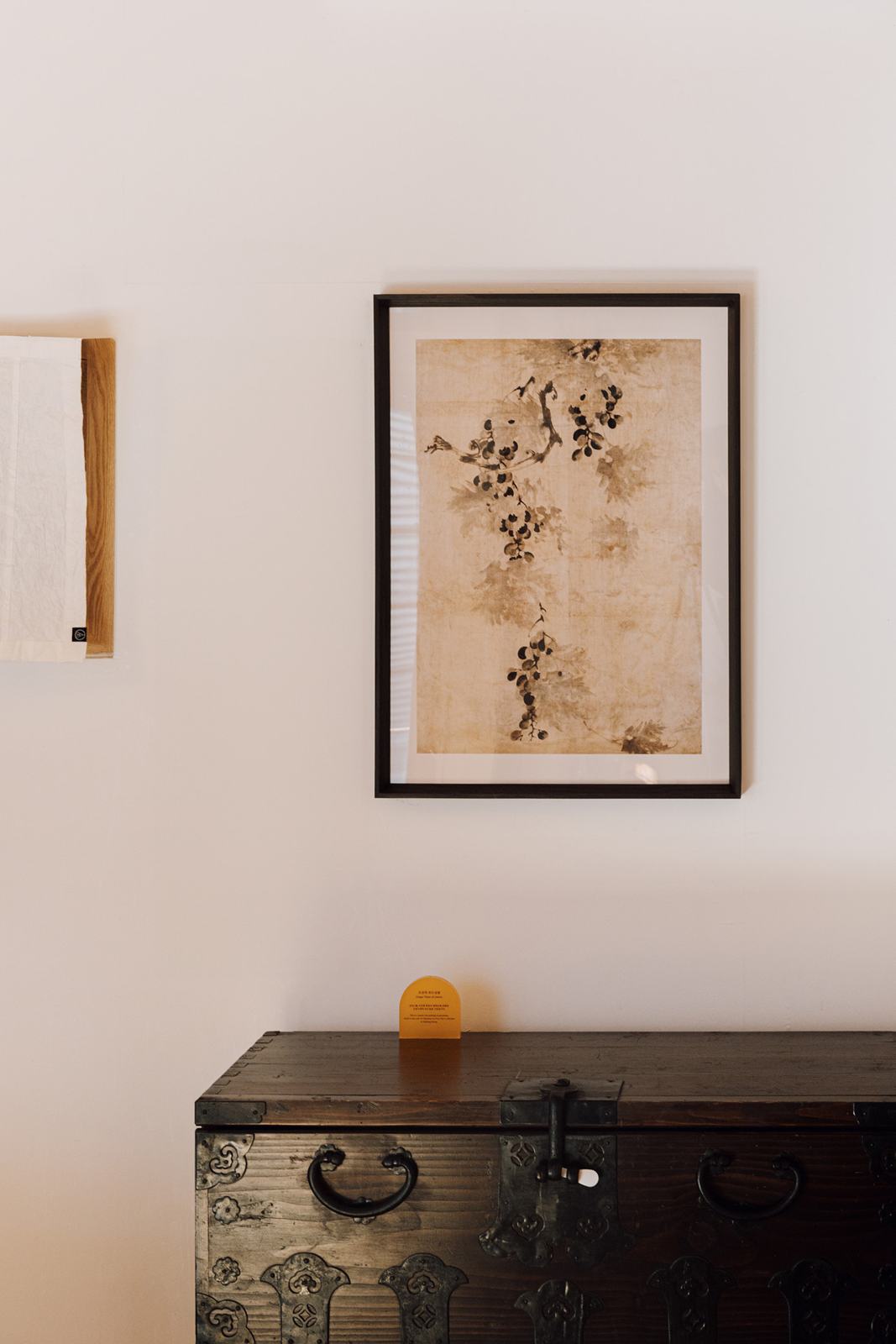
Heritage
Craft, close at hand
Joseon-era folk paintings and antique bandaji chests. Ceramics by Samjakso and Yido Pottery, linens by Uhwa, sochang cloth by Somidang, furniture by Studio Aeir, Bori Studio, and Movement Lab.
In our houses, Korean craft is not placed behind glass. It is part of the day: the cup you drink from, the bed you wake in.
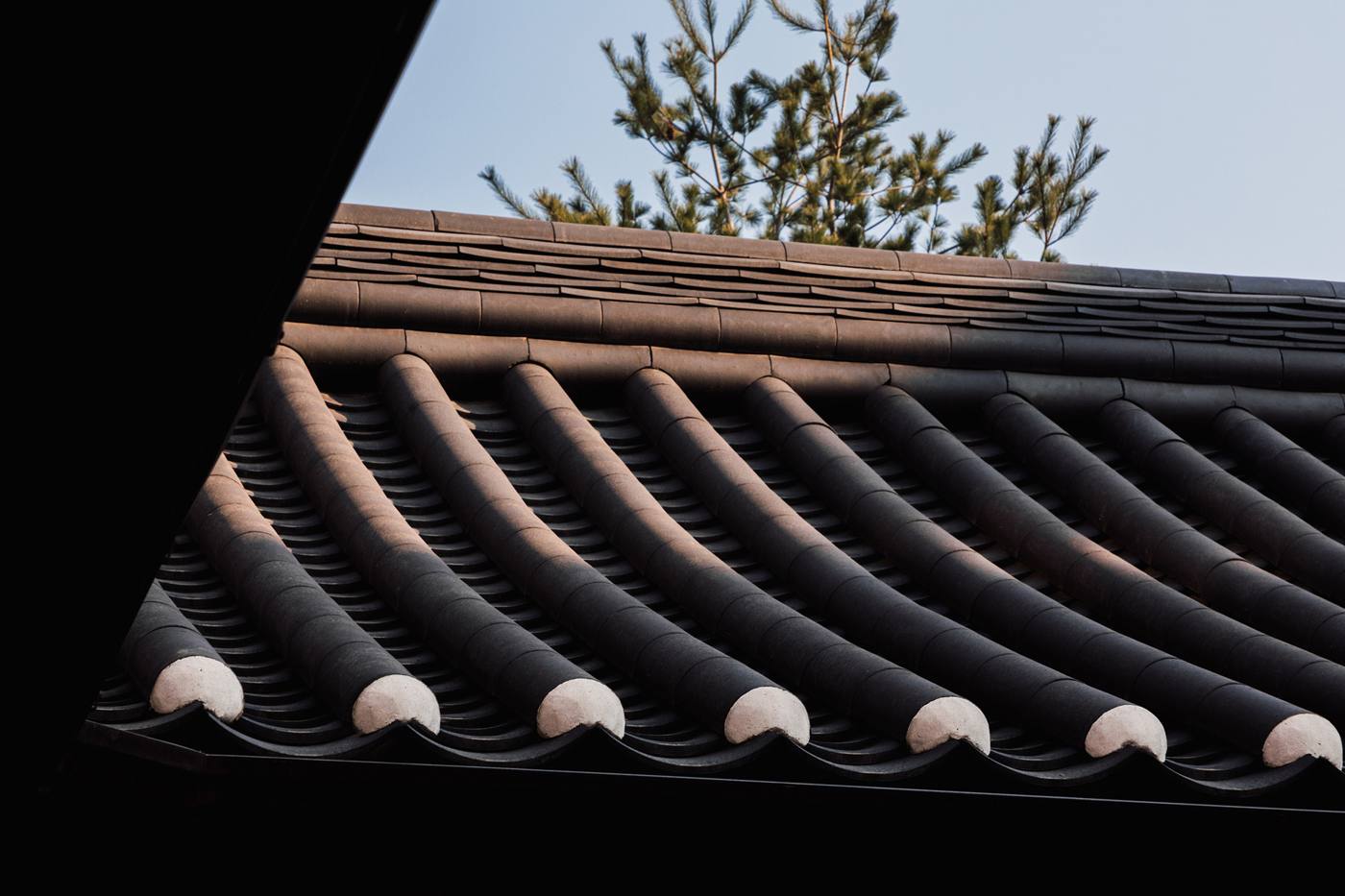
About
A heritage, carried forward
Rooted in Korean heritage
The hanok is one of Korea's oldest inheritances: a way of building, and of living, refined over centuries. THE CHAE restores these houses and reimagines them for today, so that their beauty can be known and shared far beyond Korea.
A hanok is made of what nature gives: earth, stone, and timber. It opens onto a courtyard, a rare thing in a city of concrete and apartments, where you can stand on bare ground beneath your own patch of sky. Inside, time slows of its own accord, and rest begins without effort.
THE CHAE believes in the restorative power of a good space, and in the quiet practices that help us return to ourselves: stillness, simplicity, and living lightly.
The name joins the English the with chae, from sarangchae, the guest house of a traditional Korean home.
Made with
Korean makers
Each house is shaped with Korean architects, craftspeople, and brands, and with local artists of Seochon and Bukchon. We seek out and introduce the best of Korean design, and will continue to do so.
- Samuso Hyoja
- Studio Aeir
- Bori Studio
- Movement Lab
- Munito
- Jackson Chameleon
- Uhwa
- Samjakso
- Yido Pottery
- ORS
- Somidang
- Teaf
- Yeonheun
- Magpie & Tiger
- Boan1942
- Mueh
Plan Your Stay
Before you arrive
Each house welcomes you with self check-in, and our concierge is never more than a message away. A few notes on life in a hanok.
- Check-in
- From 4 PM, with a private door code sent before arrival
- Check-out
- By 11 AM
- Concierge
- Daily, 10 AM – 7 PM KST, by email at hello@thechae.kr or WhatsApp +82 10 3011 8783
- Parking
- None on site. We'll point you to nearby paid lots.
What is a hanok?
A hanok is a traditional Korean house, built from timber, earth, stone, and hanji paper beneath a curved tile roof, with its rooms arranged around an open courtyard. Floors are warmed from below by ondol, and light arrives softly through paper screens. Most of Seoul's remaining hanok stand in Bukchon and Seochon, the neighborhoods on either side of Gyeongbokgung Palace, where every house of THE CHAE is found.
Is THE CHAE a hanok hotel?
Not in the usual sense. THE CHAE is a collection of hanok stays: each house is booked whole, for one party, with its own gate, courtyard, and kitchen. There is no front desk and no room service. You arrive with your own door code, and our concierge is on hand every day from 10 AM to 7 PM, by email or WhatsApp. Rather than a room in a hanok hotel, think of it as a hanok in Seoul that is yours for the stay.
Why is Haudo our Signature house?
Haudo is the house where everything THE CHAE set out to create comes together: two spas, one intimate and one generous; a private garden and an open courtyard; a large dining room and kitchen; and a meditation room facing the garden.
It is our most complete house, with our most refined design, set in Samcheong-dong, one of Seoul's most beautiful neighborhoods. Haudo is the fullest expression of our philosophy of rest, and the house we recommend first to anyone who wants to know THE CHAE. Families and friends are equally at home here.
Does every house have a spa bath?
Six of our eight houses have a private spa bath, for your party alone.
Open-air, under the sky: Uhui
Facing the courtyard: Courtyard, Sorereu, Dalro
Indoors: Library, with the garden glimpsed through a cotton screen; Haudo, with two spas softly lit through hanji screens
Gallery offers an open-air foot bath in its stone courtyard. Open-air baths rest on days below freezing (0°C / 32°F). The Hanok Archive has no spa bath.
Bukchon or Seochon: which neighborhood is right for me?
Both sit beside Gyeongbokgung Palace, on opposite sides. Seochon, to the west, is quieter and more local: artists' studios, small galleries, neighborhood restaurants, and Tongin Market. It is home to Courtyard, Gallery, Library, Uhui, Sorereu, and The Hanok Archive, all a short walk from Gyeongbokgung Station. Bukchon, to the east, is the classic hanok village, with lanes of tiled roofs climbing toward Samcheong-dong, tea houses, and museums nearby. It is home to Dalro and Haudo, near Anguk Station. Choose Seochon for a slower, local rhythm; choose Bukchon for the postcard hanok streets.
How does the floor heating work?
Hanok are warmed by ondol, a Korean system that heats the floor rather than the air. It is slow to warm up and gentle once it does, so turn it on as soon as you arrive and leave it on. Each house has its own controller, and we send step-by-step instructions for yours before you arrive. We recommend 24–26°C (75–79°F).
Living in a restored hanok
Every house of THE CHAE is a decades-old hanok, restored rather than rebuilt, so its timber, earth, and paper are still its own. We care for the houses throughout the year and restore them every year. A few things come with living in a house like this:
On dry days, a little earth may fall from the rafters. It is simply soil from the old roof; brush it away. If you find any in your bedding, let us know and we will replace it.
In the rainy season, wooden doors swell with the damp and may need a firmer hand.
Hanji screens are made of paper and tear easily. Please handle them gently, especially with children.
We chose to keep the original ceilings and doors rather than hide them, so each house can remain truly itself.
Will the house be cold in winter?
Hanok are built from wood, earth, and paper, and breathe with the seasons. Floors stay warm, and extra heaters are waiting in every house, though rooms will feel a little cooler than a modern hotel. Indoor baths are available all year; open-air baths rest on days below freezing (0°C / 32°F).
What should I bring?
Every house has shampoo, conditioner, body wash, towels, and a hair dryer, and robes are provided at Uhui, Dalro, Haudo, and Sorereu. To reduce single-use waste, we ask you to bring your own toothbrush and toothpaste.
Can you arrange an airport transfer?
Yes. Through a trusted partner, we can arrange a private van to meet you at Incheon or Gimpo Airport and bring you to the door of your house, a welcome after a long flight, especially with luggage or children. The fare depends on the airport, the number of guests, and luggage, and is confirmed when you book.
To arrange a transfer, write to us at hello@thechae.kr or on WhatsApp before your arrival, with your flight details and number of guests.
Is breakfast available?
For breakfast, we recommend our neighbor Cafe BOAN, beside the west wall of Gyeongbokgung Palace, whose morning set is offered to THE CHAE guests at a special rate. It is a short walk from our Seochon houses and a quick taxi ride from Bukchon. Meals are not served in the houses, but each has its own kitchen. Ask us and we'll share the details.
Is housekeeping included?
For stays of four nights or longer, we refresh linens and towels and clean the house, at no charge. Shorter stays are left undisturbed, so the house is entirely yours.
Are children welcome?
Yes. Low bedding on warm ondol floors makes hanok a natural fit for families.
We ask that little ones stay within sight. Hand-built from stone and timber, a hanok has uneven steps, raised thresholds, and rough edges that cannot be childproofed without altering the house.
Children under 3 stay free (counted within the maximum number of guests).
Dalro's bedroom is a loft reached only by ladder. For guests who are pregnant or traveling with young children, we recommend one of our other houses.
Which house is best for families with young children?
We recommend Haudo, Sorereu, and The Hanok Archive. Beds sit low, and a yo topper can be laid on the warm ondol floor so little ones can sleep safely beside you.
House rules
To care for the houses and your neighbors:
Smoking and candles are not permitted indoors; hanok are built of wood. Palo santo and incense may be lit only in the holders provided. Pets cannot be accommodated. We kindly ask you not to cook strongly scented dishes such as fish or pork belly. Please use only the bath products provided in the tubs, and no tape or adhesives on walls or beams. Commercial photography requires prior approval.
Summer in a hanok
A courtyard home lets nature in. We treat every house monthly with professional pest control, but an occasional insect is part of the season, and monsoon rain can be heard clearly on the tiled roof.
Cancellation policy
For reservations made directly on thechae.kr, refunds are based on how many days before check-in you cancel:
| Cancelled | Refund |
|---|---|
| 10 or more days before check-in | 100% |
| 9 days before | 90% |
| 8 days before | 80% |
| 7 days before | 70% |
| 6 days before | 60% |
| 5 days before | 50% |
| 4 days before | 40% |
| 3 days before | 30% |
| 2 days before, 1 day before, or on the day | No refund |
Reservations made through Airbnb, Booking.com, Agoda, Stayfolio, or any other platform follow that platform's cancellation and refund policy.
Which cards do you accept?
Reservations are completed on the secure booking page of our partner, Stayfolio, which accepts major international credit cards. Rates are charged in Korean won; your card issuer converts the amount to your currency.
Reserve
Choose your house
Each hanok is reserved whole, for one party. Select a house to see live availability. Your reservation is completed on the secure booking page of our partner, Stayfolio, which accepts international cards.
Full refund when cancelled 10 or more days before check-in. Cancellation policy
Reserve